





 UN Resident Coordinator
 Mr. Simon Springett
Digitalization is at the heart of development, impacting every sphere of society and daily life. Technology is continually reshaping our world in profound ways – and the choices we make today hold the power to influence the future of our planet. As we navigate the complex and rapidly evolving terrain of digital transformation, it is crucial to harness technology as a force for good, while ensuring that youth are equipped to take this vital process forward.
Digital connectivity has been identified as one of the transformative entry points or key transitions that can have a catalytic and multiplier effect across the Sustainable Development Goals (SDGs). By strengthening digital capacity across partnerships, skills development, and training, the United Nations (UN) is helping to empower societies, close the digital divide, ensure digital inclusion for all, and mitigate risks of harm, including from cyber threats and human rights violations.
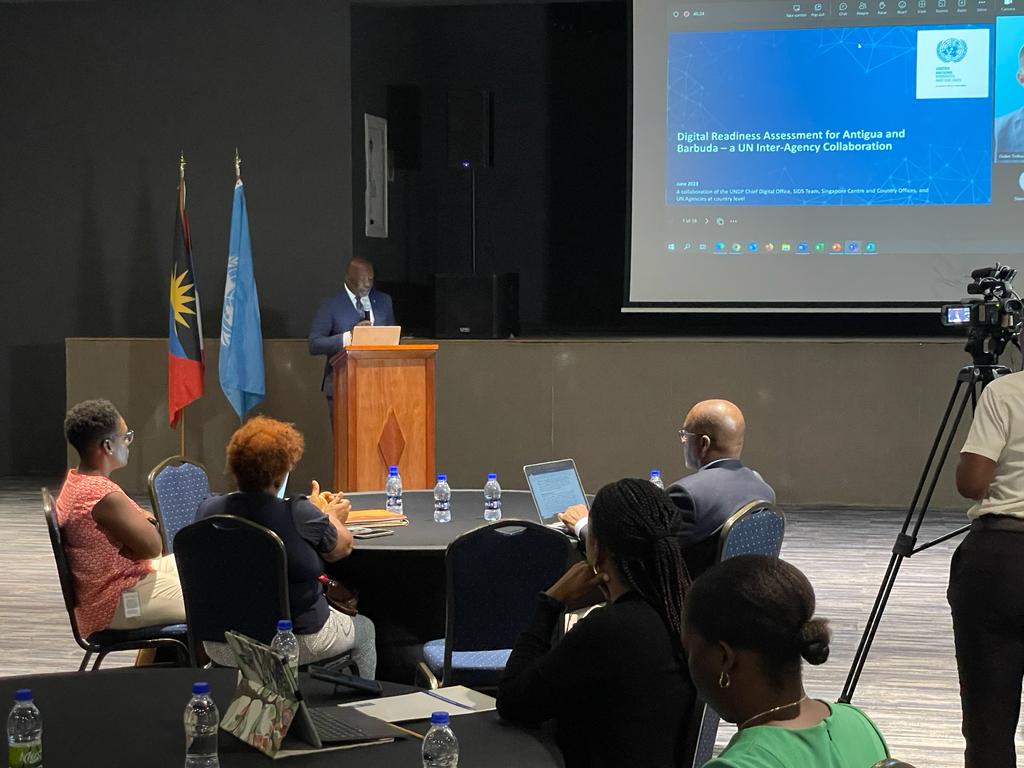
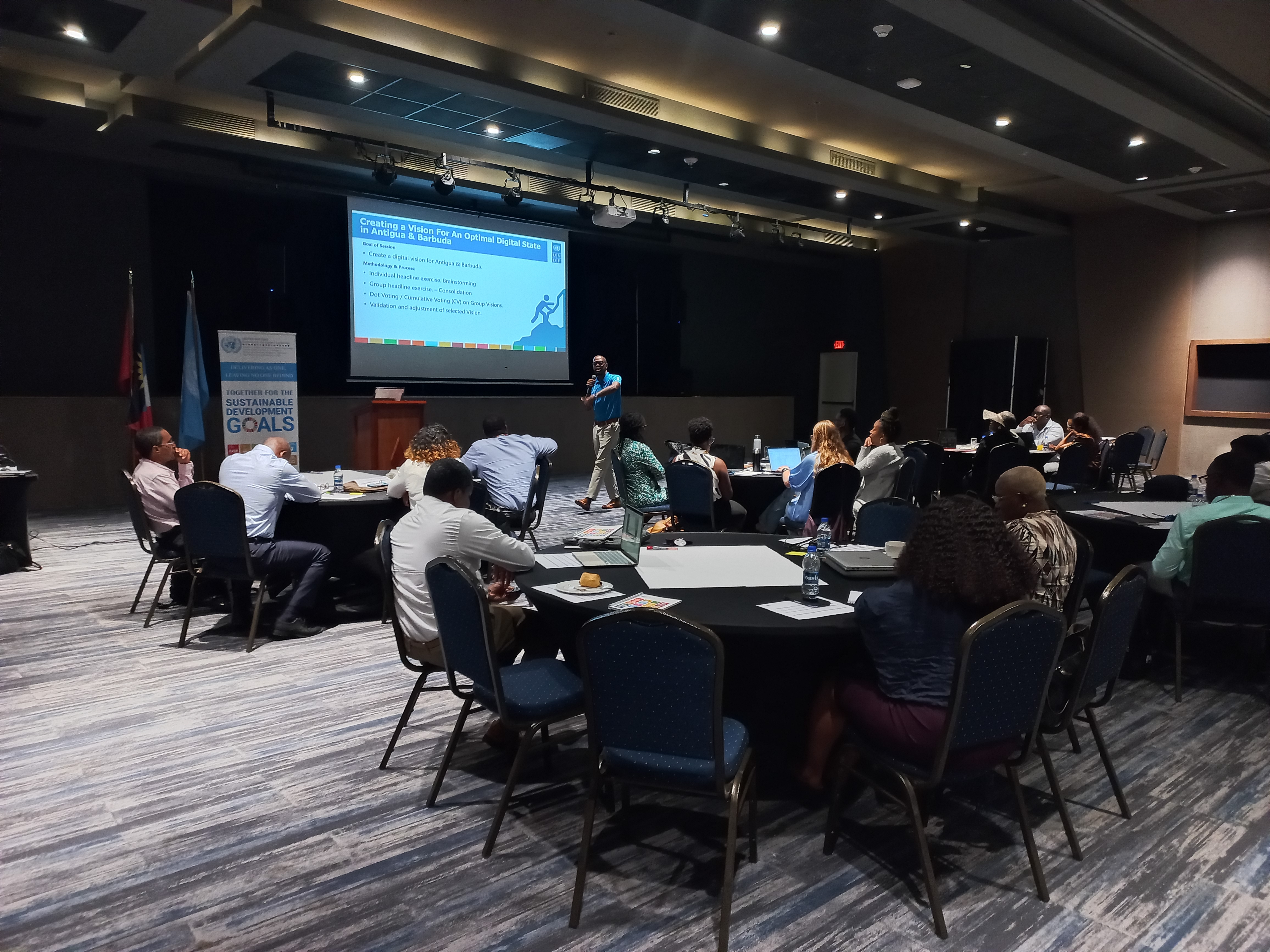
The UN Development System is pleased to continue its support to Antigua and Barbuda’s digitization efforts including to ensure the most vulnerable are not left behind. The country’s National Development Strategy outlines the importance of information and communication technology (ICT) and the critical role it plays in promoting growth and increasing productivity. The plan also highlights the government’s prioritization of technological adaptation and innovation as a necessary condition to effect transformative change for sustainable and inclusive outcomes. I would also wish to commend the Government of Antigua and Barbuda for is leadership in CARICOM in this critical endeavour.
In harnessing Digital Technologies for a Sustainable Future, we must consider - Digitalization for Sustainability and Sustainable Digitalization. Digitalization for Sustainability emphasizes the potential of technology to foster positive outcomes through the proactive development and use of digital tools. Sustainable Digitalization entails encouraging the development and use of technologies with sustainability considerations in mind, i.e. sustainability by design.
Digital technologies can provide tools for transformation in the delivery of public services. Furthermore, digitalization has been proven to impact Gross Domestic Product (GDP) growth, job creation, innovation and transparency. Essentially, it fosters a whole-of-society multiplier impact, touching all segments of society.
With more than two-thirds of Sustainable Development Goals targets potentially benefiting directly from digital technologies, this remains a critical area for SDG acceleration on the Road to 2030. The UN Team in Barbados and the Eastern Caribbean will continue to support regional Government’s in their effort to boost their digital connectivity as we together work towards shaping and safeguarding the region’s digital future.